SEO by HighSoftware99.com: Advanced Search Strategies for Visibility, Authority and Growth


Search engine optimization has become an important part of building a successful online presence. A website may offer useful information, quality products, or professional services, but reaching the right audience can still be difficult without a strong search strategy. Businesses need more than occasional keyword changes to compete in search results. They need a well-organized website, helpful content, reliable technical performance, and a clear understanding of what users are searching for.
SEO by HighSoftware99.com is a search optimization topic associated with technical SEO, on-page improvements, local SEO, and digital growth strategies. Its related online pages discuss areas such as keyword targeting, meta tag optimization, heading structure, internal linking, and website visibility. These subjects form important parts of a broader SEO strategy, although the actual results of any service depend on its implementation and the website being optimized.
Understanding these methods can help website owners make better decisions about their digital marketing efforts. This guide explores the main principles behind modern search optimization, explains how different SEO techniques work together, and examines practical ways to improve visibility, establish authority, and support long-term website growth.
Understanding SEO by HighSoftware99.com
SEO by HighSoftware99.com is a search-related topic connected with improving website visibility through different optimization practices. The name appears in online resources discussing search engine optimization, digital marketing, and website performance.
The central idea behind these practices is straightforward: make a website easier for search engines to discover, understand, and evaluate while providing visitors with useful information. Achieving this requires attention to both the technical structure of a website and the quality of its content.
Search optimization is not a single activity that produces permanent rankings. It involves several connected processes, including keyword research, content development, page optimization, website structure, and performance monitoring. Each area contributes to the overall quality of a website.
For businesses and publishers, understanding these elements is more useful than focusing only on quick ranking improvements. A website needs a consistent strategy that supports its audience, answers relevant questions, and creates a positive experience across different devices.
Why Modern Search Optimization Matters
Search engines help people discover websites, compare services, research products, and find answers to everyday questions. When a website appears for relevant searches, it has an opportunity to attract visitors who are already interested in its subject.
However, ranking in search results requires more than publishing articles regularly. Search engines need to understand what each page covers, whether it provides useful information, and how it fits into the wider website.
Modern SEO connects technical quality with user-focused content. A technically strong website may still struggle if its pages offer little value, while excellent content may remain difficult to discover if important pages cannot be crawled or indexed.
A balanced strategy addresses both sides. It helps website owners build a reliable foundation, improve the relevance of individual pages, and make their content easier for visitors and search engines to understand.
The Main Search Optimization Strategies
A successful SEO campaign usually combines several methods rather than relying on one technique. Each method addresses a different part of the search process, from helping search engines access a website to convincing visitors that its content deserves attention.
1. Technical SEO and Website Performance
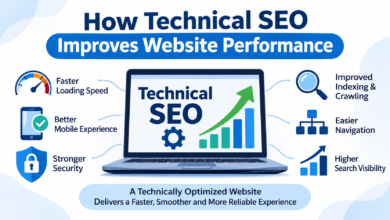
Technical SEO focuses on the infrastructure that allows search engines to access, crawl, render, and index website pages. It creates the foundation for other optimization activities because even valuable content can struggle to appear in search results when important technical problems prevent discovery.
A technical SEO review should examine website speed, mobile usability, HTTPS security, XML sitemaps, robots.txt settings, canonical URLs, broken links, and indexing problems. These elements help identify issues that may affect how search engines process a website.
Page performance is another important consideration. Google’s Core Web Vitals measure real-world user experience through three main metrics: Largest Contentful Paint (LCP), Interaction to Next Paint (INP), and Cumulative Layout Shift (CLS). Improving these areas can make pages feel faster, more responsive, and more stable.
For example, an online store with oversized product images may take too long to load on mobile devices. Compressing images, using modern image formats, improving caching, and reducing unnecessary scripts can improve the experience.
Technical SEO should focus on meaningful improvements rather than arbitrary performance targets. A website does not need a perfect score in every testing tool to perform well in Google Search. The goal is to make important pages accessible, understandable, and comfortable to use.
2. On-Page SEO and Content Optimization
On-page SEO involves improving individual website pages so their purpose and subject are clear to both visitors and search engines. It includes title tags, meta descriptions, headings, URLs, image descriptions, content organization, and internal links.
The page title should explain what visitors can expect to find. A clear heading structure makes longer articles easier to navigate, while descriptive URLs help users understand the subject before opening a page.
Keyword placement also matters, but it should happen naturally. A page about local SEO services might include related terms such as Google Business Profile, local search rankings, business listings, customer reviews, and location-based searches.
These supporting terms help explain the subject in greater detail without repeating the same keyword in every paragraph.
Content quality is equally important. A useful article should answer the main question, explain relevant concepts, provide practical examples, and address common concerns. Adding unnecessary paragraphs simply to increase word count does not make a page more valuable.
SEO by HighSoftware99.com identifies title optimization, meta descriptions, heading hierarchy, keyword mapping, internal linking, image alt text, and URL structure among its on-page optimization areas. These are recognizable components of a conventional on-page SEO process.
3. Semantic SEO and Topical Authority
Semantic SEO focuses on the meaning and relationships behind search queries instead of treating every keyword as an isolated phrase. Search engines use language understanding systems to interpret context, identify relevant subjects, and connect information across pages.
For example, a website publishing content about digital marketing could cover keyword research, technical SEO, content optimization, local search, backlink analysis, and conversion optimization. These subjects are connected and help explain the broader field.
A topical map can organize this information into related content groups. One main guide might introduce technical SEO, while supporting articles explain crawlability, indexing, website speed, structured data, and XML sitemaps.
Internal links connect these pages and help readers move between related topics. They also provide search engines with additional context about the website’s structure.
The important point is that topical authority should come from genuine subject coverage. Publishing dozens of similar articles with slightly different keywords does not automatically establish expertise.
A stronger approach is to identify missing information, create useful resources, and connect them through a logical website structure. This creates a better experience for readers while making the site’s subject areas easier to understand.
4. Local SEO for Location-Based Visibility
Local SEO helps businesses appear when people search for products and services in a particular geographical area. It is especially useful for restaurants, repair services, clinics, professional offices, retailers, and other businesses that serve customers in specific locations.
One of the main parts of local optimization is the Google Business Profile. Businesses should provide accurate names, addresses, phone numbers, operating hours, service categories, and other relevant information.
Consistent business details across directories also help customers identify the correct business. Differences in addresses or phone numbers can create confusion, especially when a company operates from multiple locations.
Customer reviews are another important part of local visibility. Businesses should encourage genuine feedback and respond professionally to questions or complaints. Reviews can help potential customers understand the quality of a service before contacting the company.
Location-specific website content can provide additional value. For example, a plumbing company serving several cities can create useful service pages explaining its availability and the problems it handles in each area.
However, these pages should contain meaningful local information rather than repeating the same text with different city names. Local SEO works best when the information reflects the actual services and locations of a business.
5. Off-Page SEO and Website Authority
Off-page SEO includes activities outside a website that influence how people discover, discuss, and reference its content. Backlinks are one of its most recognized elements.
A backlink is a link from another website pointing to your website. Relevant links from trusted publications, industry resources, professional organizations, and useful online guides can help search engines understand how pages are connected across the web.
However, the number of backlinks alone does not determine their value. Links should come from legitimate sources and make sense in their editorial context.
For example, a technology website publishing a detailed guide about website security may naturally receive links from software developers, cybersecurity publications, and educational resources.
Other off-page activities include digital PR, expert contributions, brand mentions, and participation in relevant professional communities. These activities can introduce a website to new audiences and create opportunities for genuine references.
Buying large numbers of unrelated links, participating in link schemes, or publishing artificial guest posts can create problems. A sustainable strategy prioritizes relevance, credibility, and genuine editorial value over shortcuts.
How Instant Search Visibility Should Be Understood
The phrase “Instant Appear” is associated with the HighSoftware99.com website and its search visibility messaging. It suggests an approach focused on helping websites become discoverable through technical improvements and search optimization.
However, instant visibility and guaranteed rankings are not the same thing. A website can be technically prepared for search engines without immediately appearing in results for competitive keywords.
Search engines follow their own crawling, indexing, and ranking processes. Submitting a sitemap or fixing technical errors can help discovery, but neither action guarantees that a page will be indexed or achieve a particular position.
A practical instant visibility strategy should begin with checking whether important pages are accessible to search engine crawlers. Website owners can then review indexing status, internal links, sitemap coverage, page quality, and relevant search queries.
Google Search Console is particularly useful for this work. It provides information about indexing, search impressions, clicks, search queries, and technical issues affecting eligible website pages.
The realistic goal is to remove unnecessary barriers to discovery and make useful pages easier to find. Ranking improvements still require relevance, quality, competition analysis, and ongoing work.
The Role of Structured Data in Modern SEO
Structured data is a standardized format that helps search engines interpret information on a webpage. It can describe different types of content, including articles, products, organizations, local businesses, and breadcrumbs.
Schema.org vocabulary is commonly used to implement structured data through formats such as JSON-LD. When correctly implemented, eligible pages may qualify for certain enhanced search appearances.
For example, an online store can use product structured data to communicate details such as product names, prices, availability, and reviews when those details are genuinely present on the page.
A business website can use appropriate organization or local business markup to clarify its identity and business information.
However, structured data does not automatically improve rankings or guarantee rich results. The markup must follow search engine guidelines and accurately represent visible page content.
It should support the information already available on the website rather than introduce misleading details. Website owners should validate their implementation using Google’s Rich Results Test and monitor relevant reports in Search Console.
SEO Strategies for Different Types of Websites
Different websites have different audiences, goals, and technical requirements. A strategy that works for a local service company may not be suitable for a large online store or an informational publication.
SEO for Business Websites
Business websites should focus on service-related searches, location relevance, and clear information about their offerings. Each important service deserves a dedicated page explaining its benefits, process, and intended audience.
Clear contact information, professional website design, customer testimonials, and useful supporting content can help visitors make informed decisions.
SEO for Blogs and Publishing Websites
Blogs need a consistent content strategy based on relevant topics and search intent. Publishers should research what readers want to know before selecting article subjects.
Related articles can be organized into topic clusters, with a comprehensive guide linking to more specific resources. Regular content reviews also help identify outdated information, broken links, and opportunities to improve existing articles.
SEO for E-Commerce Websites
Online stores need to optimize category pages, product descriptions, images, URLs, and product information. Clear navigation helps customers find products without unnecessary steps.
Large stores should also pay attention to duplicate URLs, filtering parameters, pagination, and crawl efficiency. These issues can become difficult to manage when a website contains thousands of product and category pages.
A good e-commerce strategy balances search visibility with the shopping experience. Product information should be accurate, descriptions should be useful, and important buying details should be easy to find.
How to Build a Practical SEO Strategy
Understanding SEO techniques is only the first step. Website owners also need a clear process for deciding what to improve, which pages deserve attention, and how to measure progress.
A practical strategy should begin with an assessment of the website’s current condition. This makes it easier to identify problems and avoid spending time on improvements that have little impact.
Step 1: Conduct a Complete Website Audit
A website audit provides an overview of technical, content, and structural issues. It helps identify problems such as broken links, missing metadata, duplicate pages, slow-loading resources, and indexing difficulties.
Tools such as Google Search Console, Google Analytics, PageSpeed Insights, and website crawling software can support this process.
The audit should also identify pages that receive impressions but few clicks. These pages may need clearer titles, more relevant descriptions, or better content that addresses the searcher’s expectations.
Step 2: Research Keywords and Search Intent
Keyword research helps website owners understand how people search for information, products, and services. Instead of selecting keywords only because they have high search volumes, businesses should consider relevance and user intent.
There are four common types of search intent:
-
Informational: People want to learn something or find an answer.
-
Navigational: People are looking for a particular website or brand.
-
Commercial: People are comparing products or services before making a decision.
-
Transactional: People are ready to purchase, subscribe, or take another action.
For example, someone searching for “what is technical SEO” probably wants an explanation, while a person searching for “technical SEO services” may be comparing service providers.
Creating content that matches these different needs makes a website more useful and helps attract relevant visitors.
Step 3: Improve Important Website Pages
After identifying keyword opportunities, website owners should prioritize their most important pages. These may include service pages, product categories, informational guides, and landing pages.
Each page should have a clear purpose and provide information that supports that purpose. Titles, headings, images, internal links, and page content should work together.
It is also important to avoid creating multiple pages targeting exactly the same search intent without a clear reason. Such pages can compete with each other and make the website’s content structure unnecessarily complicated.
Step 4: Monitor Results and Make Improvements
SEO requires regular monitoring because search demand, competitors, website content, and search engine systems can change over time.
Google Search Console can show which queries generate impressions and clicks. Analytics tools can help website owners understand visitor behavior, engagement, and conversions.
A useful review should examine more than keyword positions. Organic traffic, qualified leads, sales, indexing status, and improvements in website experience are also important indicators.
The information collected should guide future decisions. Pages that perform well can be expanded where useful, while pages that struggle may need better explanations, improved structure, or technical corrections.
How to Evaluate SEO by HighSoftware99.com
Before choosing any SEO service or optimization approach, it is important to understand what is actually offered. A professional-looking website or attractive service description does not automatically demonstrate that a provider can deliver the expected results.
The official HighSoftware99 website discusses several areas, including technical SEO, on-page SEO, local SEO, and search visibility optimization. It also describes a semantic SEO approach involving topical planning, entity relationships, content organization, and technical improvements.
Potential customers should examine the details behind these descriptions before making a decision.
First, check whether the provider explains its working process. A useful SEO proposal should identify the website’s problems, recommended improvements, expected deliverables, and reporting methods.
Second, ask how progress will be measured. Reports should ideally include search performance, organic traffic, indexing information, completed technical work, and meaningful business outcomes.
Third, review examples of previous work where available. Genuine case studies can help demonstrate how a provider approaches different websites and challenges. Look for clear explanations of the starting situation, work completed, and results achieved.
Finally, understand the pricing and service limitations. Website optimization can involve technical development, content production, link acquisition, and ongoing maintenance. Knowing which activities are included helps prevent misunderstandings later.
No responsible provider should promise guaranteed first-page rankings or instant success for every keyword. Search engines control their ranking systems, and results depend on competition, website quality, and many other factors.
Common SEO Mistakes That Can Limit Website Growth
Even websites investing in SEO can struggle when their optimization activities are poorly planned. Recognizing common mistakes helps prevent wasted effort and protects long-term search performance.
One frequent problem is keyword stuffing. Repeating the same phrase throughout an article can make the content uncomfortable to read without providing additional value. Keywords should appear naturally where they help explain the subject.
Another mistake is publishing large amounts of low-quality content. A website with hundreds of similar articles does not necessarily offer more value than one with fewer, carefully researched resources.
Ignoring mobile users can also create problems. Many visitors access websites through smartphones, so navigation, text readability, image sizing, and page responsiveness deserve attention.
Some website owners also focus entirely on backlinks while overlooking technical problems and weak content. External links cannot compensate for pages that fail to answer visitors’ questions or provide a satisfactory experience.
Finally, expecting immediate ranking improvements often leads to poor decisions. SEO is a continuing process, and meaningful progress should be evaluated over an appropriate period rather than judged through short-term ranking fluctuations.
The Future of SEO: Semantic Search, AI and User Experience
Search technology continues to develop, changing how people discover and consume online information. Modern search systems increasingly interpret context, relationships between subjects, and the usefulness of information rather than relying only on exact keyword matches.
Artificial intelligence is also changing content discovery. AI-powered search experiences can summarize information, connect related concepts, and help users explore topics through conversational queries.
For website owners, this creates an opportunity to improve how information is organized and presented. Articles should answer questions directly, explain important concepts clearly, and provide supporting details that make the information trustworthy.
Generative Engine Optimization (GEO) is another developing area of digital publishing. It focuses on making useful information understandable and discoverable across AI-powered search experiences.
Although no specific writing format guarantees inclusion in AI-generated answers, several practices remain valuable. These include clear definitions, descriptive headings, accurate facts, credible references, original explanations, and consistent information about people, businesses, and products.
Websites should also maintain a strong technical foundation. Search engines and other discovery systems need accessible pages and understandable content to process information effectively.
The most reliable long-term approach is to create resources that genuinely help people. Technical improvements, semantic organization, and responsible use of AI should support that goal rather than replace it.
Final Thoughts
SEO by HighSoftware99.com brings together several important subjects in modern search optimization, including technical SEO, on-page improvements, local search, semantic content, and website visibility. These areas are closely connected and can contribute to a stronger online presence when applied correctly.
However, successful SEO depends on more than using a particular methodology or following a list of optimization techniques. Website owners need to understand their audiences, publish genuinely useful content, maintain a reliable technical structure, and evaluate results using meaningful performance data.
Whether someone is managing a business website, an online store, or a publishing platform, the basic principles remain similar. Make important pages accessible, answer real search questions, build relevant connections between content, and improve the visitor experience.
A consistent and evidence-based strategy provides a much stronger foundation for sustainable visibility, website authority, and long-term digital growth than shortcuts or unrealistic ranking promises.
FAQs
1. What is SEO by HighSoftware99.com?
SEO by HighSoftware99.com is a search optimization topic associated with technical SEO, on-page optimization, local SEO, semantic content strategies, and website visibility. Its official website describes methods intended to improve how websites are structured, understood, and discovered through search engines.
2. What are the main SEO services associated with HighSoftware99.com?
The website discusses several optimization areas, including technical SEO, on-page SEO, local SEO, off-page SEO, e-commerce SEO, and YouTube SEO. These areas address different aspects of search visibility and website performance.
3. Does SEO by HighSoftware99.com guarantee faster Google rankings?
No specific ranking position or indexing time should be assumed. Technical improvements can help search engines access website content, but rankings depend on relevance, competition, content quality, and other factors. No SEO method can guarantee first-page placement.
4. Why is technical SEO important for website growth?
Technical SEO helps search engines discover, crawl, and process website pages. It also addresses performance, mobile usability, indexing, and website structure. A reliable technical foundation allows other SEO activities to work more effectively.
5. How long does SEO take to produce results?
SEO timelines vary depending on website condition, competition, industry, and the improvements being made. Some technical corrections may show early effects, while competitive keyword rankings and sustainable organic growth can require several months of consistent work.